
How Fast Can You Sell Your House for Cash?
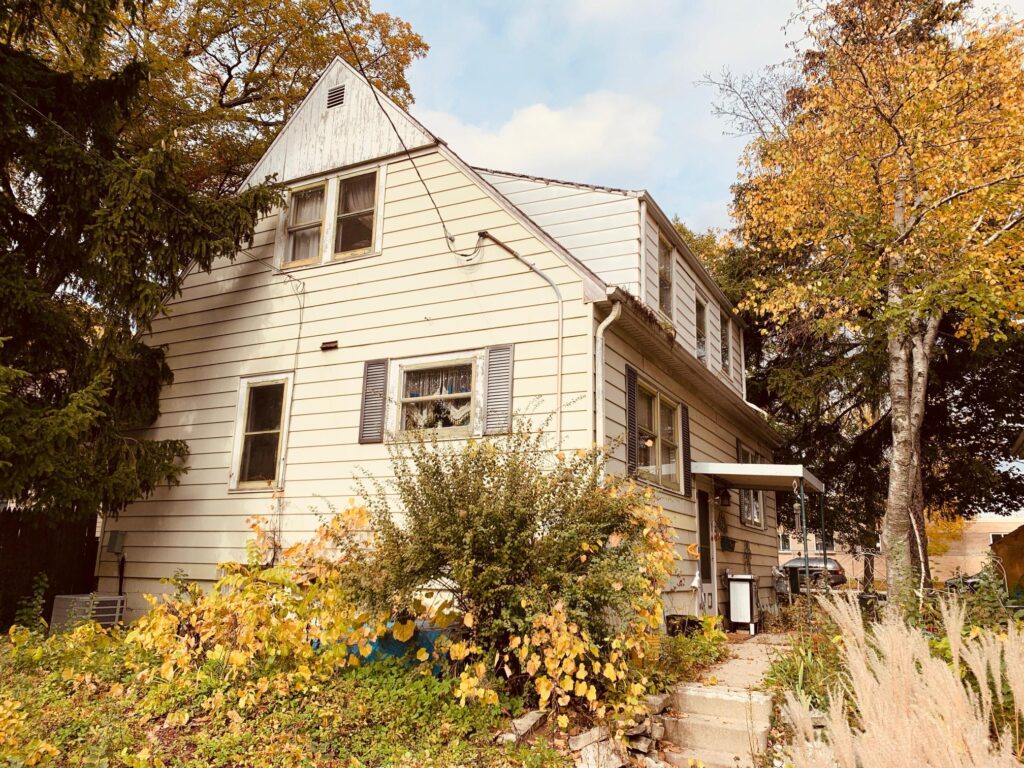
How Fast Can You Sell Your House for Cash? In many cases, you can sell your house for cash in as little as 7 to 14 days. The timeline depends on your title status, how much paperwork is already in order, and how quickly both sides are ready to close — some cash sales stretch to 3–4 weeks if title issues or occupancy details need to be sorted out first. Why Do Cash Sales Close Faster Than Traditional Sales? Traditional home sales slow down because of several dependent steps: a buyer’s mortgage approval, a lender-ordered appraisal, a home inspection, and any repair negotiations that follow. Each of those can add one to several weeks, and any one of them can also cause the deal to fall through entirely, forcing you to restart. Cash sales remove financing and appraisal contingencies entirely — there’s no lender in the process, so there’s nothing to underwrite. That’s the core reason a cash close can happen in days instead of months. What Affects Your Closing Timeline? Title status. A clean title with no liens, unresolved probate, or ownership disputes closes fastest. If the title needs to be cleared first, add one to a few weeks depending on complexity. Paperwork readiness. Having the deed, mortgage payoff information, and any HOA or tax documents ready to go shortens the process. Missing documents are one of the most common causes of delay. Occupancy. A vacant, move-in-ready property can close faster than one that’s still occupied, tenanted, or full of belongings that need to be cleared first. If the property has been sitting empty for a while, it’s also worth checking what that vacancy is actually costing you in carrying costs and insurance. Repair or inspection requirements. Most cash buyers purchase as-is and skip a lender-required inspection, but some still do a walkthrough to confirm the property’s condition, which can add a few days. See our full breakdown on selling a house without making repairs for more on how this affects price. What Are Your Real Options for Selling Fast? List traditionally. This can produce a higher sale price, especially in a strong market, but it typically takes 30–60+ days to close even after you have an accepted offer, and it comes with financing risk — buyer mortgage denials and appraisal gaps can restart the clock. It also typically carries a real estate commission, which nationally averages around 5.7% of the sale price split between listing and buyer’s agents. Sell to a local cash buyer or investor. These buyers typically close in 7–14 days, buy as-is, and don’t require showings or staging. In exchange, offers are usually below full market value, since the buyer is pricing in the work and risk they’re taking on. Sell through an institutional home-buying company (iBuyer). These companies offer speed and a more standardized process, often with an online estimate up front. Fees and price adjustments after inspection can vary significantly by company, so it’s worth comparing net proceeds, not just the headline offer. How Does a Cash Sale Compare to a Traditional Sale on Price? Cash offers are typically below what a fully-marketed, financed sale could bring, because the buyer is pricing in speed, certainty, and any repairs or risk they’re absorbing. What a cash sale usually saves you: the roughly 5–6% agent commission a traditional sale carries, repair costs, months of carrying costs (mortgage, taxes, utilities, insurance) while the home sits on the market, and the risk of a financed deal collapsing partway through. Whether that trade-off makes sense depends on how much time pressure you’re under and the condition of the property. What This Looks Like in Practice A common scenario: a homeowner needs to relocate quickly for a new job and can’t manage a multi-month sale process from a different city. Showings, staging, and waiting on a buyer’s mortgage approval aren’t realistic on that timeline. A direct cash sale lets them skip all of that — no showings, no financing contingency, no repairs — and close on a set date that lines up with the move, even if the final price is lower than a fully-marketed listing might have brought. Frequently Asked Questions Do cash home buyers pay closing costs? Many cash buyers cover some or all closing costs as part of the offer, but this varies by buyer — confirm what’s included before comparing offers. Is a cash offer always lower than market value? Usually, yes, since the buyer is pricing in speed, as-is condition, and the resale work or risk they’re taking on. It’s not always lower than what you’d net after commissions, repairs, and carrying costs on a traditional sale, though — worth comparing both scenarios directly. Can you sell a house with a mortgage still on it for cash? Yes. The payoff amount is settled from proceeds at closing, similar to a traditional sale, as long as the sale price covers what’s owed or you can cover the difference. What if the title has liens or is still in probate? These need to be resolved or addressed before or at closing, which adds time. A title company or attorney can identify what’s outstanding early so it doesn’t stall the sale later. How do you know if a cash buyer is legitimate? Ask for proof of funds, check for a verifiable business history or reviews, and be cautious of anyone unwilling to close through a licensed title company or escrow service. Bottom Line If speed and certainty matter more than maximizing sale price, a direct cash sale can close in a fraction of the time of a traditional listing. Learn more about the process by visiting our cash home buyer page. Related Reading Sources
Why Seniors Downsizing Choose a Cash Home Sale
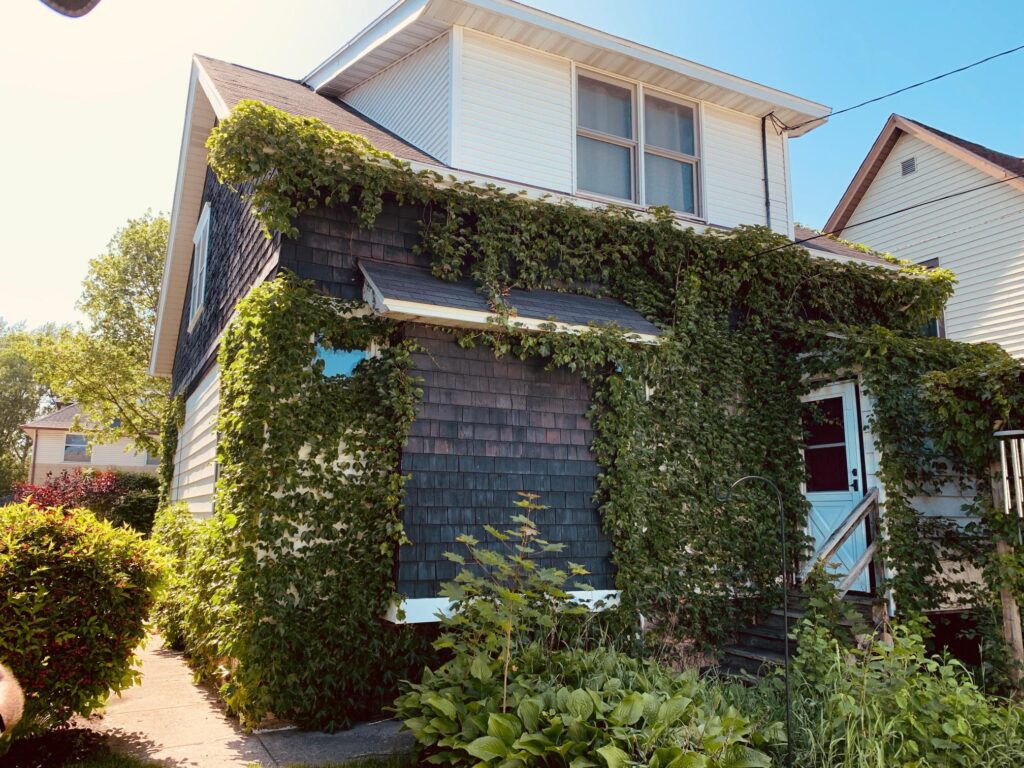
Why Sell to a Cash Buyer When Downsizing for Your Next Chapter? Selling to a cash buyer when downsizing lets you skip repairs, showings, and a drawn-out closing timeline at a point in life when time, energy, and predictability often matter more than squeezing out the highest possible price. It’s not the right fit for everyone, but for sellers moving into assisted living, closer to family, or into a smaller home on a set timeline, the certainty and simplicity are usually the deciding factors. Why Downsizing Is a Different Kind of Home Sale Downsizing after decades in the same home isn’t a typical sale. There’s often far more to sort through — furniture, keepsakes, a garage or attic full of decades of belongings — and far less appetite for the physical work of packing, repairing, and staging a home before it goes on the market. The move itself is frequently tied to a specific event: a transition to assisted living, a move closer to adult children, or a health change that sets a real deadline. A traditional sale’s uncertain timeline — weeks of showings, a buyer’s financing falling through, repair negotiations after an inspection — can be a poor match for a move that already has enough moving parts. The Specific Advantages of a Cash Sale When Downsizing No repairs or updates needed. A cash buyer typically purchases as-is, which means skipping the cost and physical effort of fixing up a home before it can be shown — a meaningful relief if climbing a ladder or managing contractors isn’t realistic anymore. No need to fully clear out the home first. Many cash buyers will purchase a home with furniture and belongings left inside, which can significantly reduce the burden of sorting through decades of possessions on a tight timeline. Traditional buyers and their lenders generally expect a vacant, cleared property. No strangers walking through during showings. Traditional listings mean repeated showings and open houses. For sellers who value privacy or simply don’t want unfamiliar people in their home during a vulnerable transition, skipping showings entirely is a real benefit, not just a convenience. A fast, predictable closing date. Cash sales can often close in a matter of weeks, which makes it easier to line up the sale with a move-in date at a new home, an assisted living community, or a family member’s house — without carrying two sets of housing costs longer than necessary. Flexibility on timing. Some cash buyers can offer a rent-back period or a flexible closing date, giving sellers more control over exactly when they need to be out. What About the Trade-Off in Price? As with any cash sale, the offer is typically below what a fully-marketed, financed sale might bring, because the buyer is pricing in speed, condition, and the work of clearing and preparing the home themselves. What that trade-off typically buys back: no repair costs, no cleanout labor or dumpster/estate-sale costs, no real estate commission, and no risk of a sale falling through partway through a time-sensitive move. Whether that trade-off is worth it depends heavily on how much the timeline and reduced physical burden matter relative to maximizing sale price — a conversation worth having with family before deciding. Do You Have to Pay Capital Gains Tax When Downsizing? Many long-time homeowners can exclude a substantial amount of gain from taxes under IRC Section 121: up to $250,000 for an individual, or $500,000 for a married couple filing jointly, as long as the home was owned and used as a primary residence for at least 2 of the last 5 years. This exclusion can be used again in future sales, though not more than once every two years. It doesn’t cover investment or rental properties, and unusual situations (a home held in a trust, a recent move due to health reasons, etc.) can affect eligibility, so confirming your specific situation with a CPA or elder law attorney is worthwhile before selling. Could Selling Affect Medicaid Eligibility? This matters most for sellers who are already receiving or planning to apply for Medicaid long-term care benefits. A primary home is generally an exempt asset while you live in it, but once sold, the cash proceeds typically become a countable asset, which can affect eligibility if it pushes you over your state’s asset limit (commonly around $2,000 for an individual). Reinvesting proceeds into another exempt home within a limited window can preserve the exemption in some cases. Because Medicaid rules involve look-back periods and vary by state, anyone selling a home while on or planning to apply for Medicaid should talk to a Medicaid planning professional or elder law attorney before signing anything. How to Avoid Scams When Selling as a Senior Seniors are a common target for real estate fraud, and it’s worth naming that directly rather than skating past it. Common warning signs include a buyer or “agent” who pressures for an immediate signature, is vague about who they represent, or doesn’t want to see the inside of the home before making an offer. Legitimate cash buyers can provide proof of funds, are willing to close through a licensed title company or escrow service, and won’t penalize you for taking time to review the offer or involve a family member or attorney. Getting more than one offer, and having an adult child, trusted friend, or elder law attorney review any contract before signing, are two of the simplest protections available. What Are Your Alternatives? A traditional listing, ideally with a Seniors Real Estate Specialist (SRES) — a realtor with specific NAR-certified training in downsizing, senior housing options, and using retirement accounts in a real estate transaction — can make sense if there’s no urgent timeline and the home is in good condition. A family buyout, where an adult child or relative purchases the home directly, is another option worth exploring before going to market. The right choice depends on timeline, the home’s condition, and how much involvement you want in the
The True Cost of Holding a Vacant Property
The True Cost of Holding a Vacant Property (And What Insurance Actually Covers) Holding a vacant property typically costs 1% to 4% of the home’s value per year in carrying costs alone — mortgage, taxes, insurance, utilities, and upkeep — before factoring in the higher risk of damage that an empty house faces. Vacant properties also don’t qualify for standard homeowners insurance once they’ve sat empty for 30 to 60 days, which means most owners need a separate vacant property policy that costs more and covers less than they expect. Why Vacant Properties Cost More Than Owners Expect An occupied home generates its own maintenance signals — a running toilet gets noticed, a small roof leak gets caught before it spreads, a break-in attempt gets seen by a neighbor. A vacant home has none of that. Pipes freeze and burst undetected. Small leaks become mold problems. Break-ins, squatting, and vandalism go unnoticed for weeks. None of these risks show up on a mortgage statement, but they show up eventually — usually as a large, unplanned repair bill instead of a small, cheap one. What Does It Actually Cost to Hold a Vacant Property Each Month? The exact number depends on the home’s value, location, and condition, but the categories are consistent: Cost category What it includes Mortgage or opportunity cost Monthly principal, interest, or the return you’re not getting on the equity tied up Property taxes Continue regardless of occupancy Insurance Vacant property policies typically run well above a standard occupied policy (see below) Utilities Reduced but not eliminated — minimum electric/water service is often needed to prevent freezing or humidity damage Maintenance and security Lawn care, winterization, pipe monitoring, alarm monitoring, periodic inspections HOA fees Continue whether or not anyone lives there Risk-driven repairs Frozen pipes, mold, pest infestations, vandalism — costs that compound the longer the home sits empty Add these up over 6–12 months of vacancy and the total often surprises owners who were only budgeting for the mortgage and taxes. Why Vacant Homes Cost More to Insure Most standard homeowners policies include a vacancy clause that limits or voids coverage once a home has sat unoccupied for a set period, typically 30 to 60 consecutive days, with the exact threshold defined by the individual policy. Insurers price vacant homes differently because an empty house carries a documented higher risk of fire, vandalism, theft, and water damage, since no one is present to catch a problem early. That’s why a dedicated vacant property policy (sometimes called vacant dwelling insurance) is usually required, and why it costs more than a standard policy for the same home. What Does Vacant Property Insurance Actually Cover? Typically covered: fire, windstorm and hail, lightning, and liability if someone is injured on the property. Typically limited or excluded: vandalism and theft are among the most commonly excluded or capped perils on vacant policies, since insurers see an empty home as a higher target. Water damage from frozen pipes is frequently excluded unless you can show the heat was maintained or the water was shut off and the system drained. Mold or damage from a leak that went undetected for an extended period is commonly excluded, since insurers treat that as a maintenance failure rather than a sudden loss. The gap between what owners assume is covered and what’s actually covered is the single biggest surprise in vacant property insurance — read the exclusions section of the policy, not just the coverage summary. How to Reduce Holding Costs and Risk While a Property Sits Vacant Winterize the property properly if it will sit empty during cold months — draining or maintaining heat in the plumbing system is often a condition of coverage, not just a suggestion. Arrange regular walkthroughs or remote monitoring so problems are caught early instead of discovered months later. Confirm with your insurer exactly when the vacancy clause kicks in and whether you need a separate policy. And weigh the ongoing carrying cost against simply selling — every month a property sits vacant adds cost and risk without adding value, which is often the deciding factor for owners managing an inherited or unwanted property from a distance. What This Looks Like in Practice A common scenario: an owner inherits a property that sits vacant for months while family members sort out what to do with it. Between the mortgage, taxes, a vacant property insurance premium, and a burst pipe that goes unnoticed for weeks, the holding costs quietly exceed what the family expected — often more than the cost difference of just selling the home as-is sooner rather than continuing to carry it while a decision gets made. Frequently Asked Questions At what point does a house become “vacant” for insurance purposes? Most policies define vacancy as no one living in the home and little to no furniture, typically triggering after 30 to 60 consecutive days empty — check your specific policy, since definitions vary by insurer. Does homeowners insurance cover a vacant house? Only for a limited window. After the vacancy period in your policy passes, standard coverage is reduced or voided, and you typically need a separate vacant property policy. How much does vacant property insurance cost? It varies by home value, location, and insurer, but vacant policies consistently price higher than a comparable occupied-home policy, reflecting the elevated risk insurers assign to empty properties. Get a specific quote from your carrier for an accurate number. Does vacant home insurance cover theft? Often not, or only up to a low limit — theft is one of the most commonly excluded or capped perils on vacant policies. Confirm the specific limit with your carrier. Can I get in trouble for not telling my insurer the house is vacant? Yes — failing to disclose vacancy can void your coverage entirely if a claim is filed, since insurers price and underwrite occupied and vacant homes differently. Always update your insurer when a property becomes vacant. Bottom Line The longer a property
Retiring as a Landlord? Why Sell to a Cash Buyer
Ready to Retire as a Landlord? The Benefits of Selling to a Cash Buyer Selling a rental property to a cash buyer lets a retiring landlord exit without evicting tenants, fixing up the property between tenancies, or waiting out a long vacancy to sell on the traditional market. Cash and investor buyers routinely purchase occupied rentals as-is, with the existing lease and tenant in place, which removes the two biggest obstacles most landlords face when trying to sell: timing the sale around a tenant’s lease and preparing the unit for a retail buyer. Why “Tired Landlord Syndrome” Is Real Being a landlord long enough tends to produce a specific kind of fatigue: the 11 p.m. maintenance calls, the tenant turnover, the slow accumulation of deferred repairs, and the mental overhead of always having something to track. That fatigue often collides with a genuine turning point — retirement age, a health change, a desire to simplify finances, or just wanting one less thing to manage. At that point, the property that once produced steady income starts to feel like unfinished work rather than an asset, and getting out cleanly becomes more valuable than optimizing for the last few percentage points of return. The Core Benefits of Selling a Rental to a Cash Buyer You can sell with tenants and the lease still in place. Under long-standing property law, a lease “runs with the land” — a sale doesn’t cancel it. A new owner steps into the seller’s shoes and must honor the remaining lease term, which means a cash or investor buyer can simply take over as landlord without you needing to evict anyone or wait for the lease to end first. This is one of the most overlooked advantages for a retiring landlord: no eviction process, no gap in occupancy, no lost rent while the unit sits empty for a sale. You can sell as-is, without fixing up the unit between tenants. Retail buyers on the traditional market typically want a vacant, freshly prepared property. Investor and cash buyers evaluate the property as an income-producing asset and often buy it in its current condition, tenant and all, which skips the repair and turnover cycle entirely. You get a fast, certain closing date. For a landlord planning a retirement date or coordinating other financial moves, a cash sale’s shorter, more predictable timeline is easier to build a plan around than an open-ended traditional listing. You can exit an entire portfolio at once. If you own multiple rental properties, some cash buyers and investment groups will purchase several properties in a single transaction, which simplifies what would otherwise be a series of separate, sequential sales. You stop absorbing ongoing management costs during the sale process. A traditional sale can take months, during which you’re still paying for maintenance, management, and vacancy risk. A faster close shortens that window. What About the Trade-Off in Price? As with any cash sale, offers on rental property typically come in below what a fully-marketed sale to an owner-occupant might bring, because the buyer is pricing in the property’s condition, the existing lease terms, and the work of managing it going forward. What that trade-off usually buys back: no repair or turnover costs, no lost rent during a vacancy-driven sale, no real estate commission in many direct-sale arrangements, and the ability to set your own exit date instead of waiting on the market. What Are the Tax Considerations for Retiring Landlords? Selling a rental property triggers depreciation recapture — the portion of your gain attributable to depreciation you’ve claimed over the years is generally taxed as “unrecaptured Section 1250 gain” at a maximum federal rate of 25%, separate from ordinary long-term capital gains rates on any additional appreciation. This often surprises landlords who haven’t sold before, since it can meaningfully increase the tax bill compared to a simple capital gains calculation. If you want to keep real estate exposure without active management, a 1031 exchange lets you defer that tax by reinvesting proceeds into another “like-kind” investment property within strict deadlines — 45 days to identify a replacement and 180 days to close. Some retiring landlords use this route to move into more passive real estate structures, such as triple-net-lease properties or Delaware Statutory Trusts, rather than exiting real estate investment entirely. If your goal is to fully retire from real estate rather than defer taxes into another property, a 1031 exchange isn’t the right tool — a CPA can help you weigh the recapture and capital gains tax due against the value of simply being done. What Happens to Tenants and Security Deposits When You Sell? The buyer becomes the new landlord and must honor the existing lease, including the rent amount and remaining term, unless the lease itself contains a specific clause allowing termination upon sale (uncommon, but worth checking). Security deposits must be transferred to the new owner along with an accounting of what’s owed to each tenant — most states require this to happen within a specific window after closing, and some require the outgoing landlord to notify tenants directly that the deposit and their new landlord’s contact information have changed. Handling this properly protects you from remaining liable for a deposit after you’ve sold. What This Looks Like in Practice A common scenario: a landlord who has owned a handful of rental units for over a decade decides it’s time to retire from active management. Two of the units have tenants with a year left on their leases, and coordinating a traditional sale around lease-end dates and vacancy prep would stretch the process out for a year or more. Selling directly to an investor buyer who purchases the properties with tenants and leases in place lets the landlord exit on their own timeline, without eviction, turnover costs, or a drawn-out multi-property listing process. Frequently Asked Questions Can you sell a rental property with tenants still living in it? Yes. A sale doesn’t cancel an existing lease — the new owner takes
The Pressures of an Out-of-State Rental Property
What Makes Owning a Rental Property Out of State So Difficult? Owning a rental property out of state is harder than owning one locally because you lose the ability to respond quickly, inspect in person, or build direct relationships with tenants and contractors. The core pressures come down to five things: maintenance and emergency response, tenant management from a distance, local landlord-tenant law differences, the added cost of a property manager, and a weaker read on the local market than an in-state owner would have. Why Distance Changes Everything A local landlord can drive over when a tenant reports a leak, meet a contractor at the property, or personally vet an applicant. An out-of-state owner can’t do any of that directly — every issue has to be handled through a phone call, a hired property manager, or a contractor you’ve never met in person. That gap doesn’t just add inconvenience; it adds cost, because problems that would be caught early by a nearby owner often get discovered later and become bigger repairs by the time someone actually looks at the property. The Core Pressures of Managing a Rental From Another State Maintenance and emergency response. A burst pipe, a broken furnace, or a tenant lockout can’t wait for you to book a flight. Out-of-state owners either need a reliable local property manager or a trusted network of contractors on call, and coordinating either one remotely takes real time and vetting. Tenant screening and management. You can’t casually observe how an applicant treats the property during a walkthrough, and evictions or disputes are far more stressful to manage from a distance. Miscommunication with tenants tends to escalate faster when every interaction goes through a third party or a delayed phone call. Local landlord-tenant law differences. Security deposit limits, required notice periods, eviction procedures, habitability standards, and required disclosures vary significantly by state and even by city. An owner who’s used to their home state’s rules can unknowingly violate a different state’s law, which can turn a simple issue into a legal one. Property management costs. Hiring a property manager typically costs 8% to 12% of monthly rent for ongoing management (roughly 8.5% is the national average), plus a separate leasing/placement fee each time a new tenant is placed. Once tenant placement fees, renewal fees, and maintenance markups are included, total first-year management costs can run closer to 18–20% of gross rent. For an owner willing to self-manage remotely instead, that savings comes at the cost of significantly more personal time and risk. A weaker read on the local market. Knowing when to raise rent, how long a reasonable vacancy period is for that specific neighborhood, or which repairs actually affect resale value requires being close to the market. Out-of-state owners often rely entirely on a manager’s word for decisions that directly affect their return. What Does It Actually Cost to Manage a Rental Remotely? Cost category What it includes Property management fee Typically 8–12% of monthly rent for ongoing management (national average ~8.5%) Leasing/placement fee A separate fee charged each time a new tenant is placed, on top of the monthly rate Maintenance markup Property managers often add a markup or dispatch fee on repair work Vacancy cost Slower remote decision-making can extend vacancies compared to a hands-on local owner Travel Periodic in-person visits for larger issues, inspections, or turnover Tax complexity Multi-state tax filing, depreciation tracking, and state-specific rental income rules often require a CPA familiar with both states These costs don’t necessarily make an out-of-state rental a bad investment, but they materially change the real return compared to what the rent roll alone suggests. When Does Managing an Out-of-State Rental Make Sense? It tends to work best when the property cash flows well enough to comfortably absorb management costs, the local market has an established base of reliable property managers and contractors, and the owner has the bandwidth to oversee a manager rather than the property directly. It tends to work poorly when the property was inherited rather than chosen as an investment, when margins are thin enough that a single bad tenant or vacancy stretch erases a year of returns, or when the owner doesn’t have the time or interest to manage a manager. What This Looks Like in Practice A common scenario: an owner inherits a rental property in a different state and initially decides to keep it as an income property. Within the first year, a tenant dispute, an unexpected repair, and a slower-than-expected lease-up eat into most of the rental income, and the owner realizes that managing the situation from a distance — coordinating with a property manager, tracking a second state’s tax filing requirements, and staying on top of maintenance decisions — takes more time and stress than the income is worth. Selling the property outright, rather than continuing to manage it remotely, ends up being the simpler and often more financially sound path. Frequently Asked Questions Do I need a property manager if my rental is out of state? Not strictly, but most out-of-state owners use one because self-managing remotely means handling every maintenance call, tenant issue, and legal notice without being able to visit in person. How much does a property manager cost? Typically 8% to 12% of monthly rent for ongoing management, plus a separate leasing fee each time a new tenant is placed. Once all fees are included, total first-year costs often run 18% to 20% of gross rent. How do landlord-tenant laws differ by state? Security deposit limits, notice periods, eviction procedures, and required disclosures all vary by state and sometimes by city. An owner unfamiliar with the local rules can unintentionally violate them, so working with a local property manager or attorney is standard practice. Can I do my own taxes for an out-of-state rental? You can, but it typically requires filing in both your home state and the state where the property is located, along with tracking depreciation and rental-specific deductions — many owners use a