

Can You Sell a House Without Making Repairs?
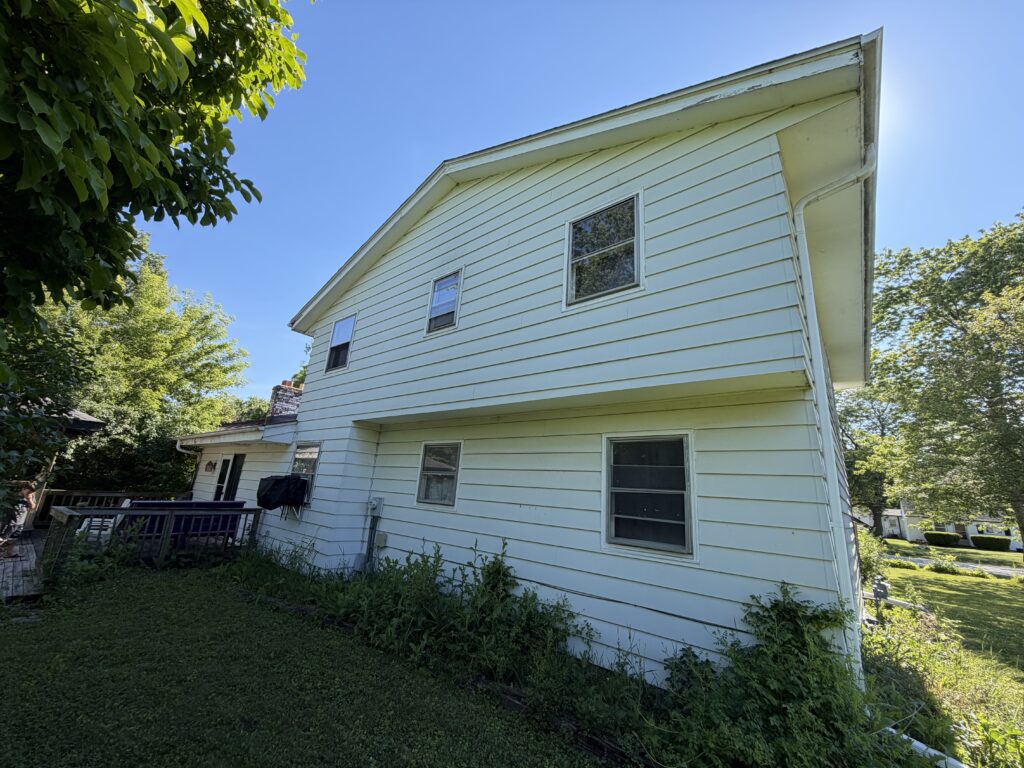
Written by Murray SmithWisconsin-licensed real estate salesperson and Milwaukee-area property investorReviewed August 2026 Can You Sell a House Without Making Repairs? Yes. You can sell a house without making repairs, but the type of buyer you attract — and the price you receive — depends on the property’s condition and how quickly you need to sell. As-is sales work well with cash buyers and investors; traditional buyers using a mortgage are more limited, since many lenders require the home to meet basic safety and structural standards before they’ll approve financing. Why This Happens Most homeowners assume every issue needs fixing before listing. In reality, many repairs cost more in time, stress, and uncertainty than they return in added value, especially with older homes, inherited properties, or financial pressure. Why Do Homeowners Assume Repairs Are Required? Most sellers assume every issue needs fixing before listing, because that’s how traditional real estate transactions are usually presented. In reality, many repairs cost more in time, money, and stress than they add in resale value — especially in older homes, inherited properties, or situations where the seller is under financial or time pressure. Foundation issues, roof age, outdated electrical or plumbing, and deferred maintenance are common reasons people assume a sale isn’t possible without a full renovation first. If the property is also sitting empty during this decision, the added cost of holding it vacant is worth factoring in too. Which Buyers Will Purchase a House As-Is? Cash buyers and investors are the most flexible — they typically factor repair costs into their offer and don’t require inspections or lender approval, since there’s no financing involved. For more on how this affects your timeline, see how fast a cash sale can actually close. Agents can list a home as-is on the traditional market, but the buyer pool narrows. Some buyers using conventional financing will still make an offer, but government-backed loans (FHA, VA, USDA) often have specific property condition requirements that a home with major issues may not meet, which rules those buyers out. iBuyers and institutional buyers will sometimes purchase as-is, but many adjust their offer downward after an inspection reveals issues not disclosed upfront — read the fine print on how repair credits are calculated before accepting. Does Selling As-Is Mean a Lower Price? Usually, yes, relative to a fully repaired listing — but not always relative to what you’d actually net. An as-is sale typically avoids the cost of repairs (which can run from a few thousand dollars to well over $20,000 for major issues like a roof or foundation), avoids months of carrying costs while renovations happen, and removes the risk that a buyer’s inspection turns up something that kills the deal after you’ve already invested in the fix. For sellers with significant repair needs, limited cash, or a tight timeline, the math often favors as-is once those costs are factored in. What Are Your Real Options? Repair and list traditionally. This can produce the highest sale price if you have the cash and time to invest, and the market supports it. It also carries the most risk: inspection surprises, financing delays, and the chance repairs don’t fully pay for themselves. List as-is with an agent. You skip the repair work but still go through showings, negotiations, and a buyer pool that may ask for price reductions or credits once their own inspection turns up issues. Sell directly to a cash buyer. You skip repairs, showings, and financing risk entirely, and typically close faster. The trade-off is usually a lower offer than a fully-prepped traditional listing would bring. What This Looks Like in Practice A common scenario: a seller has known foundation concerns and years of deferred maintenance, and doesn’t have the cash, time, or interest in managing months of repair work and contractor scheduling before selling. A traditional as-is listing is possible but likely to scare off financed buyers once an inspection flags the foundation issue. A direct cash sale lets the seller close without spending anything on repairs or waiting through negotiations that might collapse mid-process. Frequently Asked Questions Can you sell a house with foundation problems? Yes, particularly to cash buyers or investors who factor the repair cost into their offer. Traditional financed buyers may struggle to get loan approval depending on the severity and the lender’s requirements. Do you have to disclose known repair issues when selling as-is? In most states, yes — sellers are legally required to disclose known material defects regardless of whether the home is sold as-is. “As-is” affects who’s responsible for fixing issues, not your disclosure obligations. Will a home inspection stop an as-is sale? It depends on the buyer. Cash buyers and investors usually still inspect but proceed regardless of findings, sometimes renegotiating price. Financed buyers may back out or request repairs if the inspection reveals problems the lender requires to be fixed. Can you sell a house without repairs if you still owe a mortgage? Yes. The condition of the home doesn’t affect whether you can sell with a mortgage balance — the payoff is handled from sale proceeds at closing, same as any other sale. Is it better to repair a house before selling, or sell as-is? It depends on the repair cost versus expected value added, your available cash and time, and how much certainty you need in the timeline. Comparing net proceeds under both scenarios — not just headline sale price — is the more accurate way to decide. Bottom Line Every situation is different, and the best option depends on your timeline, finances, and goals. If you want to explore selling your house as-is, visit our home selling page to learn more. Related Reading How Fast Can You Sell Your House for Cash? The True Cost of Holding a Vacant Property What Happens If You Inherit a House You Don’t Want?
What Happens If You Inherit a House You Don’t Want?

Written by Murray SmithWisconsin-licensed real estate salesperson and Milwaukee-area property investorReviewed August 2026 If you inherit a house you do not want, you can keep it, rent it, sell it, or transfer ownership. The best option depends on the property condition, family dynamics, financial obligations, and how involved you want to be. Why This Happens Inherited homes often come with more responsibility than people expect. Many properties need repairs, contain years of belongings, or involve probate and tax complications that create stress during an already emotional time. What Your Real Options Are Some families decide to renovate and list the property traditionally, while others prefer selling as-is to avoid cleanup, repairs, and ongoing costs. Keeping the property as a rental is also an option, but it comes with long-term management responsibilities. What Working With Simple Sale Group Looks Like At Simple Sale Group, we help families simplify inherited property situations without unnecessary pressure. Recently, we worked with someone who inherited a home filled with decades of belongings and wanted a straightforward sale without months of preparation. Final Thoughts There is no one-size-fits-all solution when dealing with inherited property. If you want help understanding your options, visit our inherited house solutions page to learn more.