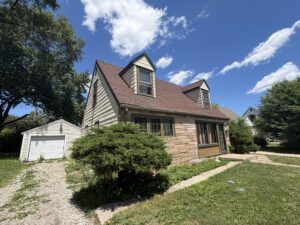

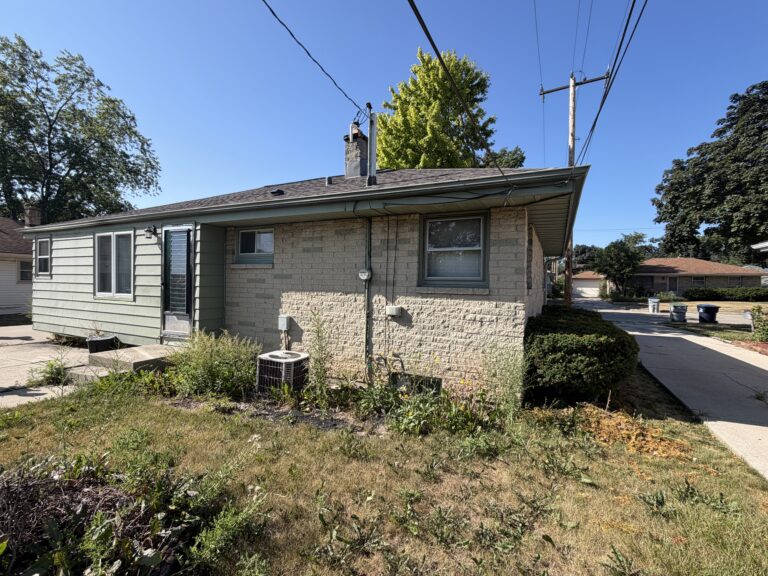
Written by Murray SmithWisconsin-licensed real estate salesperson and Milwaukee-area property investorReviewed August 2026 The True Cost of Holding a Vacant Property (And What Insurance Actually Covers) Holding a vacant property typically costs 1% to 4% of the home’s value per year in carrying costs alone — mortgage, taxes, insurance, utilities, and upkeep — before factoring in the higher risk of damage that an empty house faces. Vacant properties also don’t qualify for standard homeowners insurance once they’ve sat empty for 30 to 60 days, which means most owners need a separate vacant property policy that costs more and covers less than they expect. Why Vacant Properties Cost More Than Owners Expect An occupied home generates its own maintenance signals — a running toilet gets noticed, a small roof leak gets caught before it spreads, a break-in attempt gets seen by a neighbor. A vacant home has none of that. Pipes freeze and burst undetected. Small leaks become mold problems. Break-ins, squatting, and vandalism go unnoticed for weeks. None of these risks show up on a mortgage statement, but they show up eventually — usually as a large, unplanned repair bill instead of a small, cheap one. What Does It Actually Cost to Hold a Vacant Property Each Month? The exact number depends on the home’s value, location, and condition, but the categories are consistent: Cost category What it includes Mortgage or opportunity cost Monthly principal, interest, or the return you’re not getting on the equity tied up Property taxes Continue regardless of occupancy Insurance Vacant property policies typically run well above a standard occupied policy (see below) Utilities Reduced but not eliminated — minimum electric/water service is often needed to prevent freezing or humidity damage Maintenance and security Lawn care, winterization, pipe monitoring, alarm monitoring, periodic inspections HOA fees Continue whether or not anyone lives there Risk-driven repairs Frozen pipes, mold, pest infestations, vandalism — costs that compound the longer the home sits empty Add these up over 6–12 months of vacancy and the total often surprises owners who were only budgeting for the mortgage and taxes. Why Vacant Homes Cost More to Insure Most standard homeowners policies include a vacancy clause that limits or voids coverage once a home has sat unoccupied for a set period, typically 30 to 60 consecutive days, with the exact threshold defined by the individual policy. Insurers price vacant homes differently because an empty house carries a documented higher risk of fire, vandalism, theft, and water damage, since no one is present to catch a problem early. That’s why a dedicated vacant property policy (sometimes called vacant dwelling insurance) is usually required, and why it costs more than a standard policy for the same home. What Does Vacant Property Insurance Actually Cover? Typically covered: fire, windstorm and hail, lightning, and liability if someone is injured on the property. Typically limited or excluded: vandalism and theft are among the most commonly excluded or capped perils on vacant policies, since insurers see an empty home as a higher target. Water damage from frozen pipes is frequently excluded unless you can show the heat was maintained or the water was shut off and the system drained. Mold or damage from a leak that went undetected for an extended period is commonly excluded, since insurers treat that as a maintenance failure rather than a sudden loss. The gap between what owners assume is covered and what’s actually covered is the single biggest surprise in vacant property insurance — read the exclusions section of the policy, not just the coverage summary. How to Reduce Holding Costs and Risk While a Property Sits Vacant Winterize the property properly if it will sit empty during cold months — draining or maintaining heat in the plumbing system is often a condition of coverage, not just a suggestion. Arrange regular walkthroughs or remote monitoring so problems are caught early instead of discovered months later. Confirm with your insurer exactly when the vacancy clause kicks in and whether you need a separate policy. And weigh the ongoing carrying cost against simply selling — every month a property sits vacant adds cost and risk without adding value, which is often the deciding factor for owners managing an inherited or unwanted property from a distance. What This Looks Like in Practice A common scenario: an owner inherits a property that sits vacant for months while family members sort out what to do with it. Between the mortgage, taxes, a vacant property insurance premium, and a burst pipe that goes unnoticed for weeks, the holding costs quietly exceed what the family expected — often more than the cost difference of just selling the home as-is sooner rather than continuing to carry it while a decision gets made. Frequently Asked Questions At what point does a house become “vacant” for insurance purposes? Most policies define vacancy as no one living in the home and little to no furniture, typically triggering after 30 to 60 consecutive days empty — check your specific policy, since definitions vary by insurer. Does homeowners insurance cover a vacant house? Only for a limited window. After the vacancy period in your policy passes, standard coverage is reduced or voided, and you typically need a separate vacant property policy. How much does vacant property insurance cost? It varies by home value, location, and insurer, but vacant policies consistently price higher than a comparable occupied-home policy, reflecting the elevated risk insurers assign to empty properties. Get a specific quote from your carrier for an accurate number. Does vacant home insurance cover theft? Often not, or only up to a low limit — theft is one of the most commonly excluded or capped perils on vacant policies. Confirm the specific limit with your carrier. Can I get in trouble for not telling my insurer the house is vacant? Yes — failing to disclose vacancy can void your coverage entirely if a claim is filed, since insurers price and underwrite occupied and vacant homes differently. Always update
The True Cost of Holding a Vacant Property
Written by Murray SmithWisconsin-licensed real estate salesperson and Milwaukee-area property investorReviewed August 2026 The True Cost of Holding a Vacant