

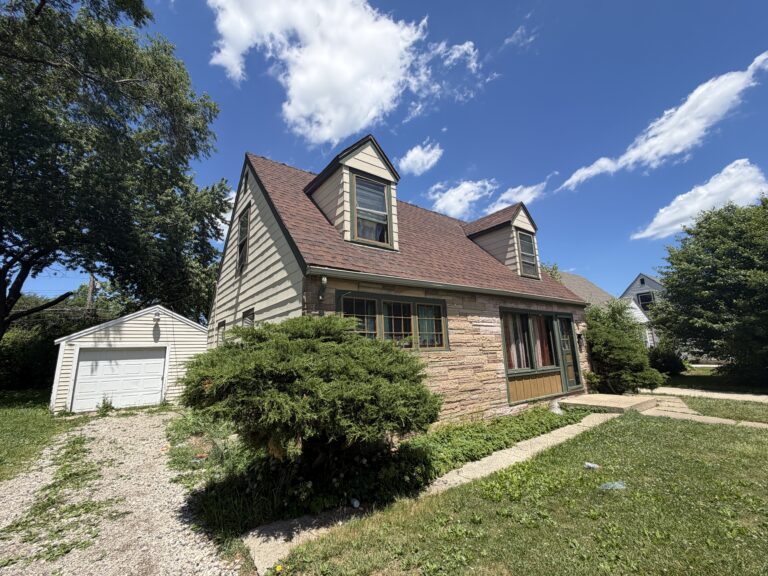
Written by Murray SmithWisconsin-licensed real estate salesperson and Milwaukee-area property investorReviewed August 2026 What Makes Owning a Rental Property Out of State So Difficult? Owning a rental property out of state is harder than owning one locally because you lose the ability to respond quickly, inspect in person, or build direct relationships with tenants and contractors. The core pressures come down to five things: maintenance and emergency response, tenant management from a distance, local landlord-tenant law differences, the added cost of a property manager, and a weaker read on the local market than an in-state owner would have. Why Distance Changes Everything A local landlord can drive over when a tenant reports a leak, meet a contractor at the property, or personally vet an applicant. An out-of-state owner can’t do any of that directly — every issue has to be handled through a phone call, a hired property manager, or a contractor you’ve never met in person. That gap doesn’t just add inconvenience; it adds cost, because problems that would be caught early by a nearby owner often get discovered later and become bigger repairs by the time someone actually looks at the property. The Core Pressures of Managing a Rental From Another State Maintenance and emergency response. A burst pipe, a broken furnace, or a tenant lockout can’t wait for you to book a flight. Out-of-state owners either need a reliable local property manager or a trusted network of contractors on call, and coordinating either one remotely takes real time and vetting. Tenant screening and management. You can’t casually observe how an applicant treats the property during a walkthrough, and evictions or disputes are far more stressful to manage from a distance. Miscommunication with tenants tends to escalate faster when every interaction goes through a third party or a delayed phone call. Local landlord-tenant law differences. Security deposit limits, required notice periods, eviction procedures, habitability standards, and required disclosures vary significantly by state and even by city. An owner who’s used to their home state’s rules can unknowingly violate a different state’s law, which can turn a simple issue into a legal one. Property management costs. Hiring a property manager typically costs 8% to 12% of monthly rent for ongoing management (roughly 8.5% is the national average), plus a separate leasing/placement fee each time a new tenant is placed. Once tenant placement fees, renewal fees, and maintenance markups are included, total first-year management costs can run closer to 18–20% of gross rent. For an owner willing to self-manage remotely instead, that savings comes at the cost of significantly more personal time and risk. A weaker read on the local market. Knowing when to raise rent, how long a reasonable vacancy period is for that specific neighborhood, or which repairs actually affect resale value requires being close to the market. Out-of-state owners often rely entirely on a manager’s word for decisions that directly affect their return. What Does It Actually Cost to Manage a Rental Remotely? Cost category What it includes Property management fee Typically 8–12% of monthly rent for ongoing management (national average ~8.5%) Leasing/placement fee A separate fee charged each time a new tenant is placed, on top of the monthly rate Maintenance markup Property managers often add a markup or dispatch fee on repair work Vacancy cost Slower remote decision-making can extend vacancies compared to a hands-on local owner Travel Periodic in-person visits for larger issues, inspections, or turnover Tax complexity Multi-state tax filing, depreciation tracking, and state-specific rental income rules often require a CPA familiar with both states These costs don’t necessarily make an out-of-state rental a bad investment, but they materially change the real return compared to what the rent roll alone suggests. When Does Managing an Out-of-State Rental Make Sense? It tends to work best when the property cash flows well enough to comfortably absorb management costs, the local market has an established base of reliable property managers and contractors, and the owner has the bandwidth to oversee a manager rather than the property directly. It tends to work poorly when the property was inherited rather than chosen as an investment, when margins are thin enough that a single bad tenant or vacancy stretch erases a year of returns, or when the owner doesn’t have the time or interest to manage a manager. What This Looks Like in Practice A common scenario: an owner inherits a rental property in a different state and initially decides to keep it as an income property. Within the first year, a tenant dispute, an unexpected repair, and a slower-than-expected lease-up eat into most of the rental income, and the owner realizes that managing the situation from a distance — coordinating with a property manager, tracking a second state’s tax filing requirements, and staying on top of maintenance decisions — takes more time and stress than the income is worth. Selling the property outright, rather than continuing to manage it remotely, ends up being the simpler and often more financially sound path. Frequently Asked Questions Do I need a property manager if my rental is out of state? Not strictly, but most out-of-state owners use one because self-managing remotely means handling every maintenance call, tenant issue, and legal notice without being able to visit in person. How much does a property manager cost? Typically 8% to 12% of monthly rent for ongoing management, plus a separate leasing fee each time a new tenant is placed. Once all fees are included, total first-year costs often run 18% to 20% of gross rent. How do landlord-tenant laws differ by state? Security deposit limits, notice periods, eviction procedures, and required disclosures all vary by state and sometimes by city. An owner unfamiliar with the local rules can unintentionally violate them, so working with a local property manager or attorney is standard practice. Can I do my own taxes for an out-of-state rental? You can, but it typically requires filing in both your home state and the state where the property is
The Pressures of an Out-of-State Rental Property
Written by Murray SmithWisconsin-licensed real estate salesperson and Milwaukee-area property investorReviewed August 2026 What Makes Owning a Rental Property Out