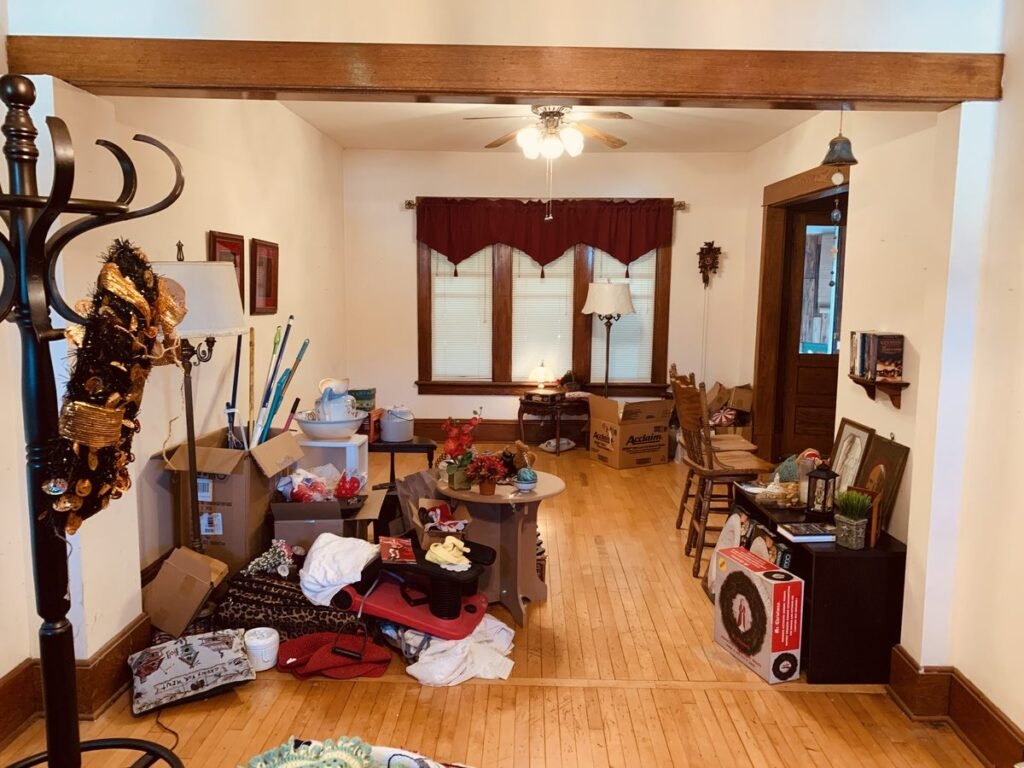
The best way to talk to family about selling an inherited house is to come in with facts instead of feelings: who has legal authority to sell, what the house costs to keep each month, what it is worth as-is, and what each option would actually put in everyone’s pocket. Thanksgiving is often the one time all the heirs are in the same room, which makes it a natural moment to start the conversation. You don’t need to decide anything over pie. The goal is to agree on next steps so the house doesn’t sit empty through a Wisconsin winter while everyone waits for someone else to bring it up.
Key Takeaways
- In Wisconsin, a personal representative appointed through probate can generally sell estate real estate without a separate court order, so knowing who holds that role is the first question to answer.
- Every month an inherited house sits, the estate keeps paying property taxes, insurance, utilities, and upkeep, and Milwaukee property tax bills arrive in December with the first payment due January 31.
- Inherited homes usually get a stepped-up tax basis, so heirs typically owe capital gains tax only on value gained after the date of death.
- When siblings can’t agree, Wisconsin law allows any co-owner to ask a court to divide or sell the property, which is costly and slow. A calm conversation now is far cheaper.
Why Thanksgiving Is a Good Time to Have the Conversation
Families who live in different cities or different states often only see each other in person a few times a year. Phone calls and group texts are a hard place to work through something as emotional as Mom and Dad’s house, and decisions tend to stall when nobody wants to be the one to push. Sitting together gives everyone a chance to share what they want, ask questions, and hear each other out.
Timing matters for another reason in Milwaukee. The holidays land right as winter sets in. A vacant house with nobody checking on it is exposed to frozen pipes, snow removal obligations, and insurance gaps, and costs keep running whether or not anyone has decided what to do. We covered those risks in detail in the true cost of holding a vacant property.
Before the Holiday: Get the Basic Facts Together
A productive family conversation starts with the same information for everyone. A little homework beforehand keeps the discussion from turning into guesses and assumptions.
1. Who has authority to sell? If the house was in your parent’s name alone, it usually has to pass through probate. In Wisconsin, many estates use informal administration, which runs through a probate registrar with fewer court hearings than formal probate. Once appointed, the personal representative (formerly called the executor) generally has the power to sell estate real estate without a separate court order. If the house was held in a trust, the trustee handles the sale instead. Smaller estates with $50,000 or less in probate property may qualify for Wisconsin’s simpler transfer by affidavit process.
2. What does the house cost to keep? Add up the monthly carrying costs: property taxes, insurance, utilities, lawn care or snow removal, and any mortgage still owed. In the City of Milwaukee, the full tax bill or the first installment is due January 31, and missing it can cost the estate the interest-free installment option.
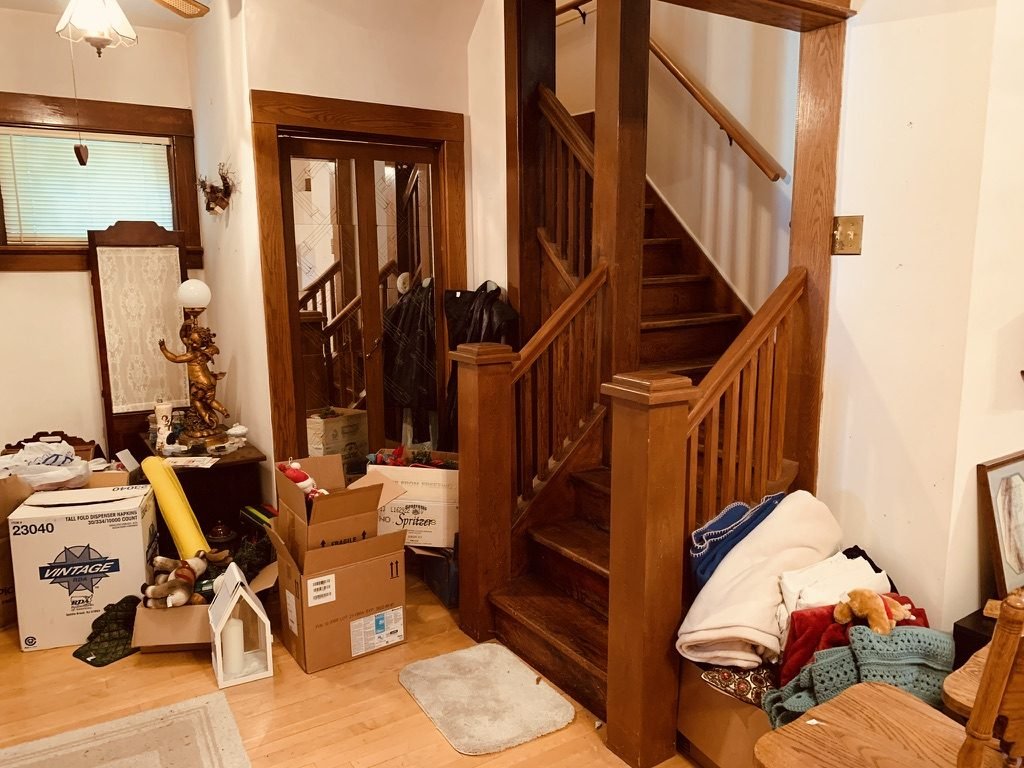
3. What is the house worth, as-is? Look at recent sales of similar homes nearby, and be honest about condition. A dated kitchen, an old roof, or a basement full of belongings all affect what a buyer will pay. For context, the median sale price in the City of Milwaukee was about $230,000 in October 2026, but the range by neighborhood and condition is wide.
4. What would repairs really cost? If anyone suggests fixing it up first, get real numbers. Most homeowners underestimate repair costs significantly, which we break down in why sellers underestimate repair costs before selling.
How to Lead the Conversation Without a Fight
Most arguments over an inherited house aren’t really about money. They are about memories, fairness, and who did what while a parent was sick. A few ground rules help:
- Lead with the shared goal. Something like “We all want to do right by Mom and keep things fair between us” sets a better tone than opening with a number.
- Let everyone say what they want first. One sibling may want to move in, another may want to rent it out, and another may just want it handled. Hear all of it before debating any of it.
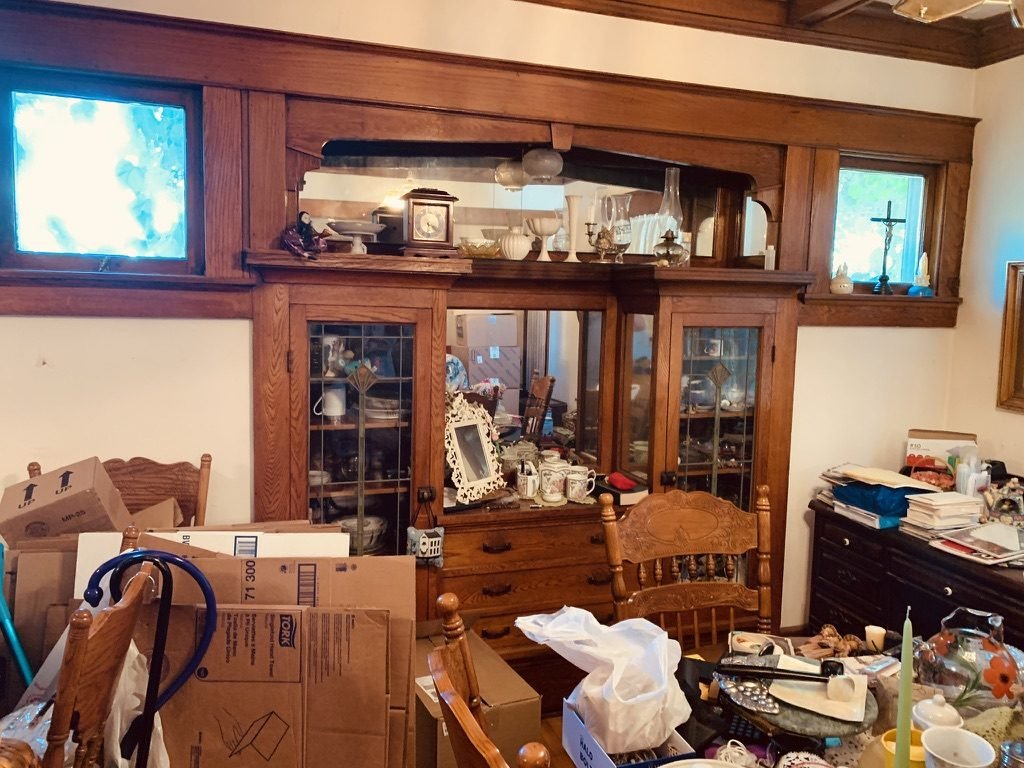
- Separate the belongings from the house. Deciding who gets the china cabinet is a different conversation from deciding whether to sell. Splitting them keeps one disagreement from stalling everything.
- Put the carrying costs on the table. When everyone sees what the house costs each month, “let’s just wait” becomes a real choice with a real price.
- Agree on a next step, not a final answer. Getting an attorney’s opinion, a valuation, or a cash offer to compare is a solid outcome for one holiday dinner.
The Main Options Families Usually Consider
| Option | Works best when | Watch out for |
|---|---|---|
| One heir buys out the others | Someone wants to live there and can finance a buyout | Agreeing on a fair price; the buyer needs to qualify for a loan |
| Keep it as a rental | Someone has the time and interest to be a landlord | Repairs, tenant issues, and splitting income and costs among several owners |
| Fix it up and list it | The family has cash, time, and someone local to manage contractors | Budget overruns, months of carrying costs, agent commissions of up to 6% |
| List it as-is with an agent | The house is in fair shape and the family can wait for a buyer | Showings, inspection requests, buyers whose financing falls through |
| Sell as-is to a cash buyer | The family wants speed, certainty, and no repairs or cleanout | The offer reflects the repairs the buyer will take on |
None of these is right for every family. Many families get a cash offer simply to use as a baseline when comparing the other options. If the house needs significant work or nobody lives nearby, the as-is route often comes out closer than people expect once repairs, months of holding costs, and commissions are subtracted from a retail price. See can you sell a house without making repairs for how that math works.
What About Taxes?
Taxes worry a lot of heirs, but the rules are often more favorable than people assume. Inherited property generally receives a stepped-up basis, meaning its tax basis resets to fair market value on the date of death. If you sell for about that value, there is usually little or no capital gain to report. Any gain is figured only on appreciation after the date of death, and the IRS treats inherited property as held long-term regardless of how soon it is sold. Wisconsin also has no estate or inheritance tax. Because every situation is different, have the personal representative confirm the details with a CPA and keep a record of the home’s value at the date of death.
What If Siblings Can’t Agree?
If the conversation stalls, it is worth knowing where the road leads. In Wisconsin, any co-owner of real estate can file a partition action, asking a court to divide the property or, when a house can’t practically be split, order it sold and divide the proceeds. Partition cases take time, add legal fees that come out of everyone’s share, and rarely help family relationships. Even after a case is filed, families often settle with a buyout or an agreed sale. That is the strongest argument for working it out around the table instead of in a courtroom. If disagreements are serious, an estate attorney can explain your rights before anything escalates.
Frequently Asked Questions
How do you talk to siblings about selling an inherited house? Gather the facts first: who has legal authority to sell, monthly carrying costs, and what the house is worth as-is. Let everyone share what they want before debating, separate personal belongings from the house decision, and aim to agree on a next step rather than a final answer in one conversation.
Can a personal representative sell a house in Wisconsin without all heirs agreeing? In many cases, yes. Under Wisconsin law, a personal representative appointed in probate generally has the power to sell estate real estate without a separate court order, unless the will restricts that power. Heirs still have rights in the process, so talk with a probate attorney about your specific estate.
Do you pay taxes when you sell an inherited house? Usually very little, if any. Inherited homes generally get a stepped-up basis equal to fair market value at the date of death, so capital gains tax applies only to appreciation after that date. Wisconsin has no estate or inheritance tax. Confirm your situation with a CPA.
What happens if one sibling won’t agree to sell an inherited house? In Wisconsin, a co-owner can file a partition action asking a court to divide or sell the property and split the proceeds. It is expensive and slow, so most families try to resolve it with a buyout or an agreed sale first.
Can you sell an inherited house that is still in probate? Yes. Homes are often sold during probate once a personal representative has been appointed. Some buyers, including cash buyers, regularly purchase homes that are still going through probate and can work around the estate’s timeline.
Do we have to clean out the house before selling? Not if you sell as-is to a cash buyer. Many cash buyers let families take what they want and leave the rest of the furniture and belongings behind.
Bottom Line
An inherited house is easier to settle when the whole family is working from the same facts. Use the holiday to share what everyone wants, put the costs and options on the table, and agree on one next step. If your family decides an as-is sale makes sense, Simple Sale Group buys Milwaukee-area homes in any condition, including homes still in probate. There are no repairs, no cleanout, and no commissions, and you can close in as little as 14 days or on whatever date works for your family. Visit our inherited and probate homes page to get a free, no-obligation offer you can bring to the family discussion.
Related Reading
- What Happens If You Inherit a House You Don’t Want?
- The True Cost of Holding a Vacant Property
- Can You Sell a House Without Making Repairs?
- How Fast Can You Sell Your House for Cash?
Sources
- Probate in Wisconsin, State Bar of Wisconsin
- Wisconsin Probate Lawyer: Timeline, Costs, and Next Steps, Heritage Law
- Wisconsin Underwriting Manual: Personal Representative Sales, Stewart Title
- Property Tax Common Questions, City of Milwaukee Treasurer
- City of Milwaukee Treasurer
- Milwaukee Homes for Sale and Market Data, Houzeo
- What Happens Tax-Wise When You Inherit a House, Kiplinger
- IRS Publication 559, Survivors, Executors, and Administrators
- Land Ownership Among Siblings Can Be Tricky, Farm Progress
- Wisconsin Estate Planning for Siblings: Co-Ownership, Buyouts, and Exit Plans, Heritage Law
This article is general information about selling real estate in Wisconsin, not legal or tax advice. Talk with an attorney or tax professional about your situation.