
Yes. In Wisconsin you can sell a rental property with tenants still living in it, and the sale does not cancel their lease. The buyer takes the property subject to the tenant’s rights, so a fixed-term lease keeps running until it ends. Your real choices are to sell with the tenants in place, wait until the lease ends and sell it vacant, or reach a written agreement with the tenant to move out early.
Key Takeaways
- Under Wis. Stat. § 704.09, a buyer takes title subject to the tenant’s rights. Selling the house does not end a lease or rental agreement.
- A month-to-month tenancy can be ended with at least 28 days’ written notice, and only at the end of a rental period. A fixed-term lease generally runs to its end date.
- You can show an occupied unit to buyers, but Wisconsin rules require at least 12 hours’ advance notice and reasonable times, unless the tenant agrees to something shorter.
- Owner-occupant buyers using FHA financing must move in within 60 days of closing, which shrinks the buyer pool for an occupied single-family house. Investors and cash buyers routinely buy with tenants in place.
Does Selling the House End the Lease?
No. This is the question most landlords ask first, and the answer surprises some of them. Wisconsin law says the new owner steps into your shoes. The buyer takes title subject to the tenant’s rights, and the sale does not terminate a lease or rental agreement.
What that means in practice depends on the kind of tenancy you have:
Fixed-term lease (for example, a 12-month lease). The lease stays in force after closing. The new owner can’t raise the rent or change the house rules in the middle of the term. The lease ends on its end date, or earlier only if the tenant agrees or gives the landlord legal grounds to end it.
Month-to-month tenancy. Either side can end it with written notice of at least 28 days, and the tenancy can only end at the end of a rental period. If rent is due on the 1st, the notice has to land at least 28 days before the last day of a month, and the tenancy ends on that last day.
Verbal agreement. Wisconsin recognizes oral rental agreements too. Without a written lease, the tenancy is usually treated as month-to-month, which makes the 28-day notice rule the one that matters.
Your Three Main Options
| Option | How it works | Best when | Trade-offs |
|---|---|---|---|
| Sell with tenants in place | The buyer takes over the lease, the rent and the security deposits at closing | The tenant pays on time, or you need to sell now | Smaller buyer pool; most buyers will be investors |
| Wait for the lease to end, then sell vacant | Don’t renew, or give proper notice on a month-to-month tenancy, then prepare and list | Plenty of time left before you need the money, and the house shows well empty | Months of waiting, then vacancy costs: taxes, insurance, utilities, snow removal |
| Agree with the tenant to leave early | A written agreement, sometimes with a moving payment (often called “cash for keys”) | You need it vacant sooner and the tenant is willing | Costs money up front, and the tenant has to agree; you can’t force it |
There is no single right answer. A long-term tenant who pays on time is an asset to an investor buyer, and selling with that tenant in place can be the simplest path. A unit that needs heavy work, or a tenant who has stopped paying, changes the math.
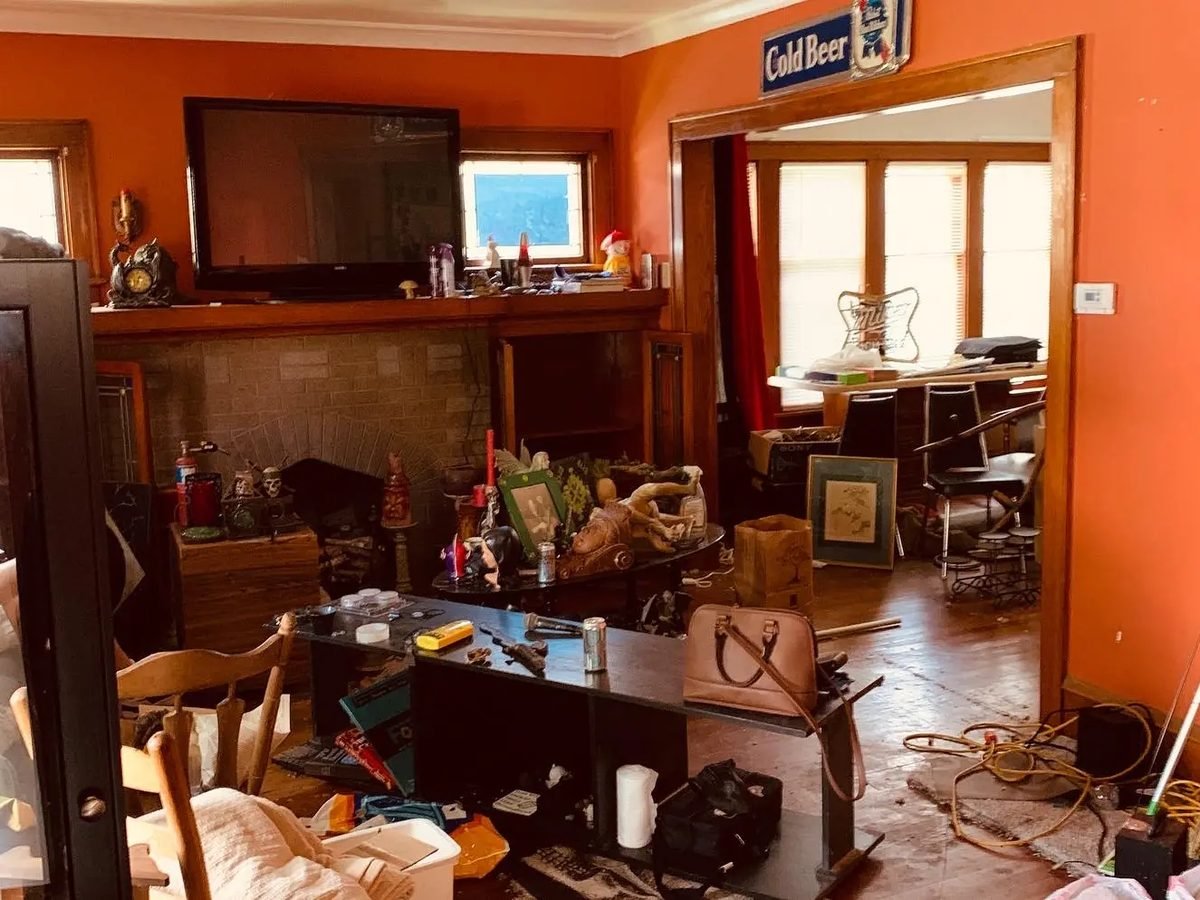
Who Buys a House With Tenants in It?
Most owner-occupant buyers want a house they can move into. Buyers using an FHA loan are required to occupy the property as their principal residence within 60 days of closing, so a single-family house with a lease running past that window is a hard sell to them.
Duplexes are different. A Milwaukee duplex with one unit occupied can still work for an owner-occupant, because FHA allows a buyer to purchase a property with up to four units and live in just one of them. That is part of why upper and lower flats are popular with first-time buyers who want rental income.
The buyers who regularly purchase occupied single-family homes are investors: landlords adding to a portfolio and cash buyers who are comfortable taking over a lease. Expect them to price the house as a rental, based on rent, condition and how much work the unit needs.
Showing a Rental While Tenants Live There
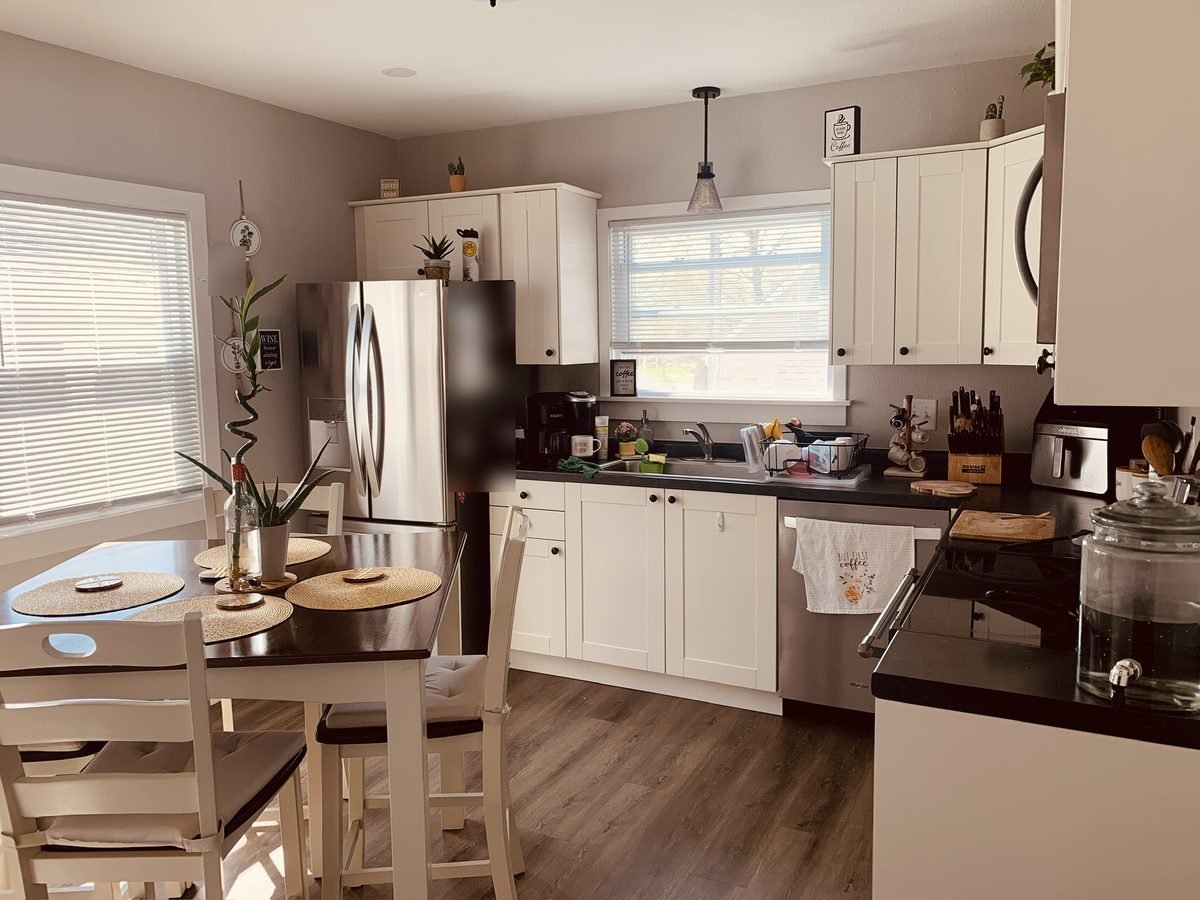
You have the right to show the unit to prospective buyers, but not on your own schedule. Under Wisconsin’s rental rules, a landlord may enter to show the premises to prospective buyers only at reasonable times and with at least 12 hours’ advance notice, unless the tenant agrees to a shorter notice period.
The legal minimum is only part of it. Showings and listing photos go much better when the tenant is on your side, so talk with them early. Tell them what’s happening, what it means for their lease (usually nothing changes), and how you’ll handle showings. Some landlords offer a rent credit for each showing or for keeping the place show-ready. Be careful with photos that capture a tenant’s personal belongings or private information.
What Paperwork a Buyer Will Ask For
Get organized before you sign anything. The Wisconsin REALTORS Association recommends gathering:
- Every written lease or rental agreement, plus any amendments
- Tenant contact information and rental applications
- A rent roll showing current rent, due dates and any late balances
- Security deposit amounts for each tenant
- Check-in condition reports
- Notices and correspondence you’ve exchanged with tenants
At closing, the standard Wisconsin residential offer has the seller assign the leases and transfer all security deposits and prepaid rents to the buyer. The title company handles the money side. The tenant keeps paying rent as before, just to the new owner.
What If the Tenant Isn’t Paying?
Nonpayment changes your options. For a month-to-month tenant who falls behind, Wisconsin allows a landlord to give a 5-day notice to pay or vacate, and an eviction has to go through the court system. Self-help, such as changing the locks or shutting off utilities, is not allowed.
You don’t have to finish an eviction before you sell. Some buyers, including us, will buy a rental mid-eviction or with a nonpaying tenant still in place and take over the problem. If that’s your situation, our page on dealing with a bad tenant or an eviction goes through it step by step. For anything involving notices or court filings, talk to a Wisconsin landlord-tenant attorney first.
How a Cash Sale Works With Tenants in Place
If you want to be done with the property without waiting for the lease to run out, a cash sale to Simple Sale Group looks like this:
- You tell us about the property. How many units, what the leases look like, what rent you’re collecting, and anything that’s going wrong.
- Murray walks the property. We coordinate the visit with you and give the tenant proper notice. No repairs, no cleanup, no turnover.
- You get a written offer, usually within 24 hours, based on the rent, the condition and the leases as they stand.
- We close at a local title company, in as little as 14 days or on the date you pick. Leases and deposits transfer to us at closing, and we take it from there.
The lease survives the sale, so your tenant keeps their home. You get out of the landlord business without a vacancy, a turnover or a court date.
Frequently Asked Questions
Can I sell my house if I have tenants in Wisconsin? Yes. Wisconsin law lets you sell a tenant-occupied property at any time. The buyer takes the property subject to the tenant’s rights, so the existing lease continues after the sale.
Does a lease transfer to the new owner when a house is sold? Yes. Under Wis. Stat. § 704.09, the sale does not terminate the lease. The new owner takes over as landlord, and the security deposit and any prepaid rent are typically transferred to the buyer at closing.
Can a new owner evict tenants after buying the house? Not simply because they bought it. A fixed-term lease runs to its end date. A month-to-month tenancy can be ended with at least 28 days’ written notice at the end of a rental period. Earlier termination requires the tenant’s agreement or legal grounds, such as nonpayment.
How much notice do I have to give a tenant before a showing? At least 12 hours’ advance notice, and showings have to be at reasonable times, unless the tenant agrees to a shorter notice period.
Is it better to sell a rental vacant or occupied? It depends on your timeline and the property. Vacant homes appeal to more owner-occupant buyers but cost you months of waiting and vacancy expenses. Occupied homes sell mostly to investors, often faster and with less hassle, especially when the tenant pays on time.
Do I have to fix up the rental before selling? No. Investors and cash buyers routinely buy rentals as-is. The condition is reflected in the price instead of in a repair bill you pay up front.
Bottom Line
Tenants don’t stop you from selling. The lease comes with the house, so the real decision is whether to sell now to a buyer who will take over the lease, or wait and sell vacant. If you’re tired of being a landlord, or the tenant situation has gone sideways, call or text Derek at 414-376-7444. You’ll get a straight answer about what the property is worth with the tenants in place, and no obligation to sell.
Related Reading
- Dealing with a bad tenant or an eviction in Milwaukee
- Retiring as a landlord? Why sell to a cash buyer
- The pressures of an out-of-state rental property
- Sell your house fast in Milwaukee
Sources
- Wisconsin REALTORS Association, “Prevent Pitfalls with Tenant-occupied Properties” (Legal Hotline, September 2023)
- Wisconsin REALTORS Association, Legal Hotline (November 2017), sale does not terminate a lease
- Wis. Stat. § 704.19, Notice necessary to terminate periodic tenancies
- Wis. Stat. § 704.17, Notice terminating tenancies for failure to pay rent
- Wis. Admin. Code ATCP 134.09(2), landlord entry and advance notice
- Wisconsin DATCP, Tenant Rights and Responsibilities
- HUD Handbook 4155.1, 4.B.2.b, FHA owner occupancy within 60 days
- FHA.com, FHA loans on multi-unit properties
This article is general information about selling real estate in Wisconsin, not legal or tax advice. Talk with an attorney or tax professional about your situation.